About
MASEREEL is a centre for contemporary art that combines an artist-oriented artistic programme with an international residency programme for artists and critics, with a special focus on printed matter at large.
Contact
MASEREEL
Masereeldijk 5
2460 Kasterlee (BE)
info[at]masereel[dot]art
+32 (0) 14 85 22 52
History
MASEREEL is a centre for contemporary art that combines an artist-oriented artistic programme with an international residency programme for artists and critics, with a special focus on printed matter at large.
As part of our artistic activity, we produce and present contemporary visual art, publish artist publications and editions, and organize events such as artist talks and an arts festival.
Equally fundamental is our international residency programme, which over the past decades has grown into one of the most challenging and inspiring environments for artists and critics to explore printed matter in all its facets or to integrate it within a broader practice. Located in a wooded area and equipped with a dynamic printmaking studio, MASEREEL’s emphasis lies on development, creation and dialogue.
Our iconic main building, with its open, circular workshop on the ground floor, was designed between 1965 and 1967 by architects Lou Jansen and Rudi Schiltz as a studio and home for Fons Mertens, a young, visionary artist who collected old printing presses at a time when offset printing was replacing lithography in industrial printing. Whether Fons Mertens – the pioneer of what is now MASEREEL – was, like the architect Lou Jansen, fascinated by the construction and design of windmills is impossible to say. Be that as it may, the unique architecture of our main building is remarkable, to say the least. The three-storey, dome-shaped building has a central round core with circular rooms arranged around it, subdivided into workspaces.
In 1972, a few years after the centre’s construction was completed, Fons Mertens managed to persuade the Belgian government — specifically then Minister of Culture Frans Van Mechelen — to take over the infrastructure. This was soon followed by the construction of ten individual A-shaped artist studios arranged around an open courtyard, along with a caretaker’s house. The complex was named the ‘Rijkscentrum voor Grafische Kunsten Frans Masereel’ (Frans Masereel National Centre for Graphic Arts) in memory of Frans Masereel, one of the most important Belgian artists of the first half of the twentieth century, who died on 3 January 1972. In addition to his widely distributed woodcuts — which made him a precursor of the graphic novel — Frans Masereel is also internationally recognized for his social criticism and pacifism.
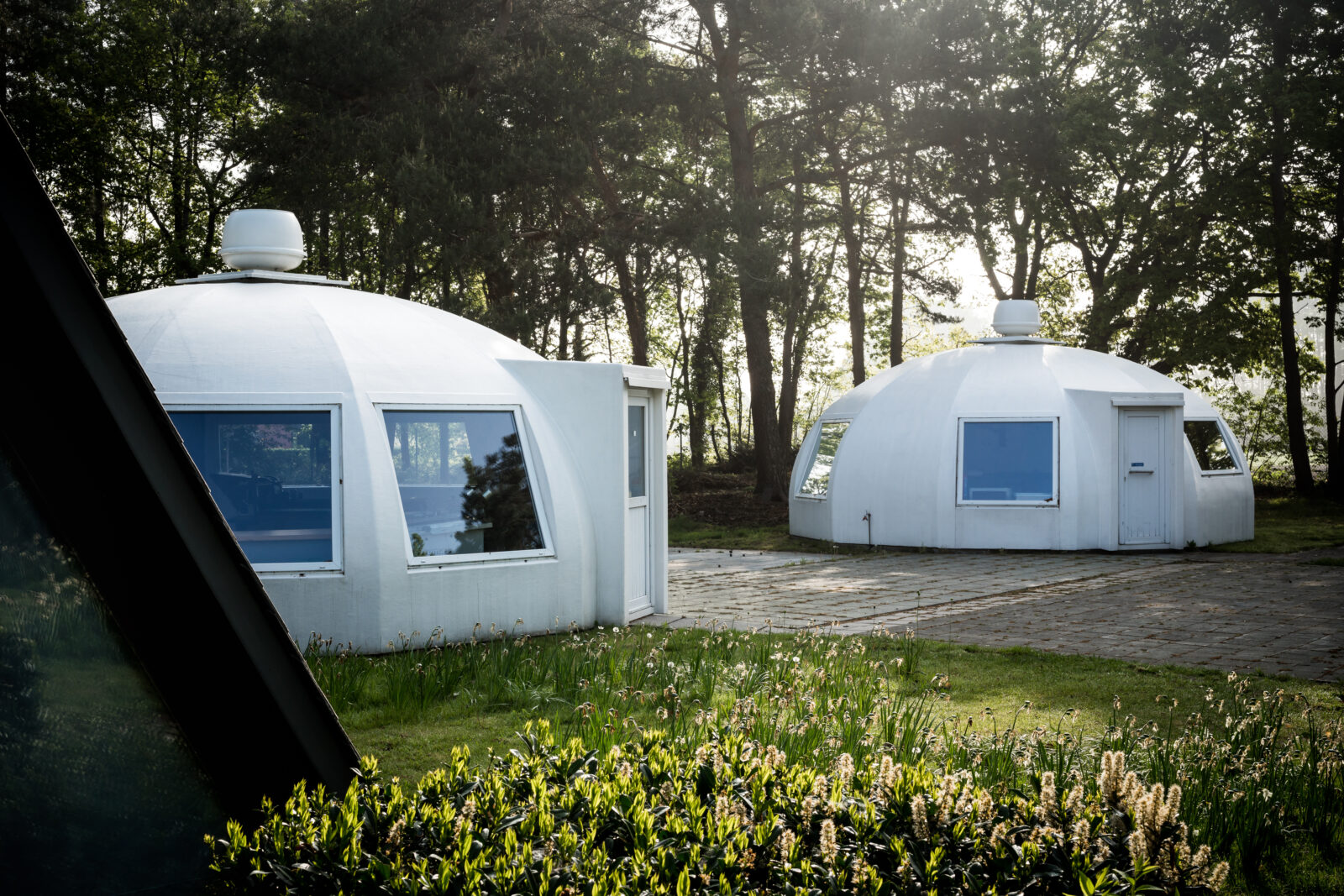
Around 1976–77, two smaller, also dome-shaped studios were built on site. Originally intended as screen printing studios, one of these gems currently serves as a multipurpose workplace while the other functions as an etching studio.
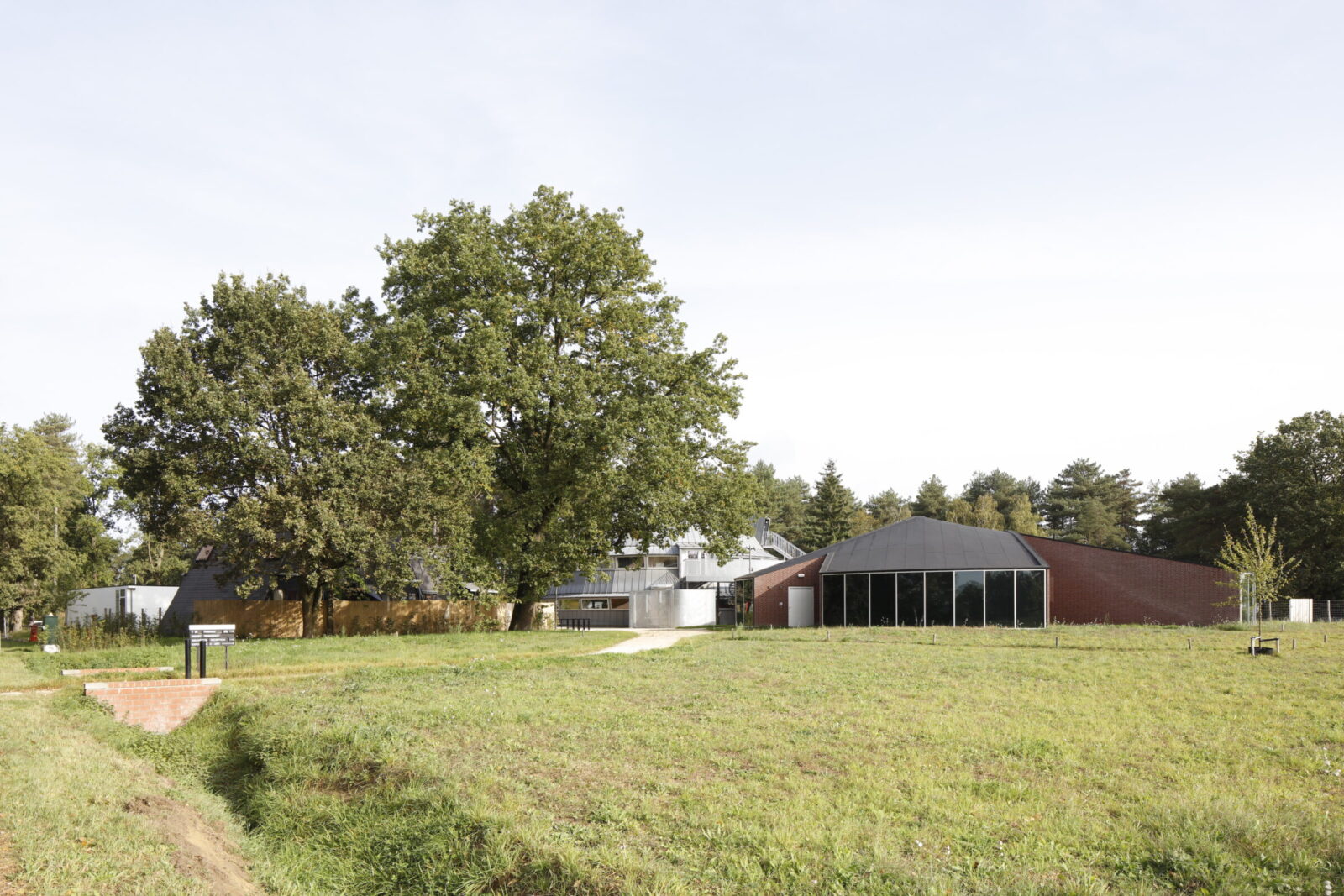
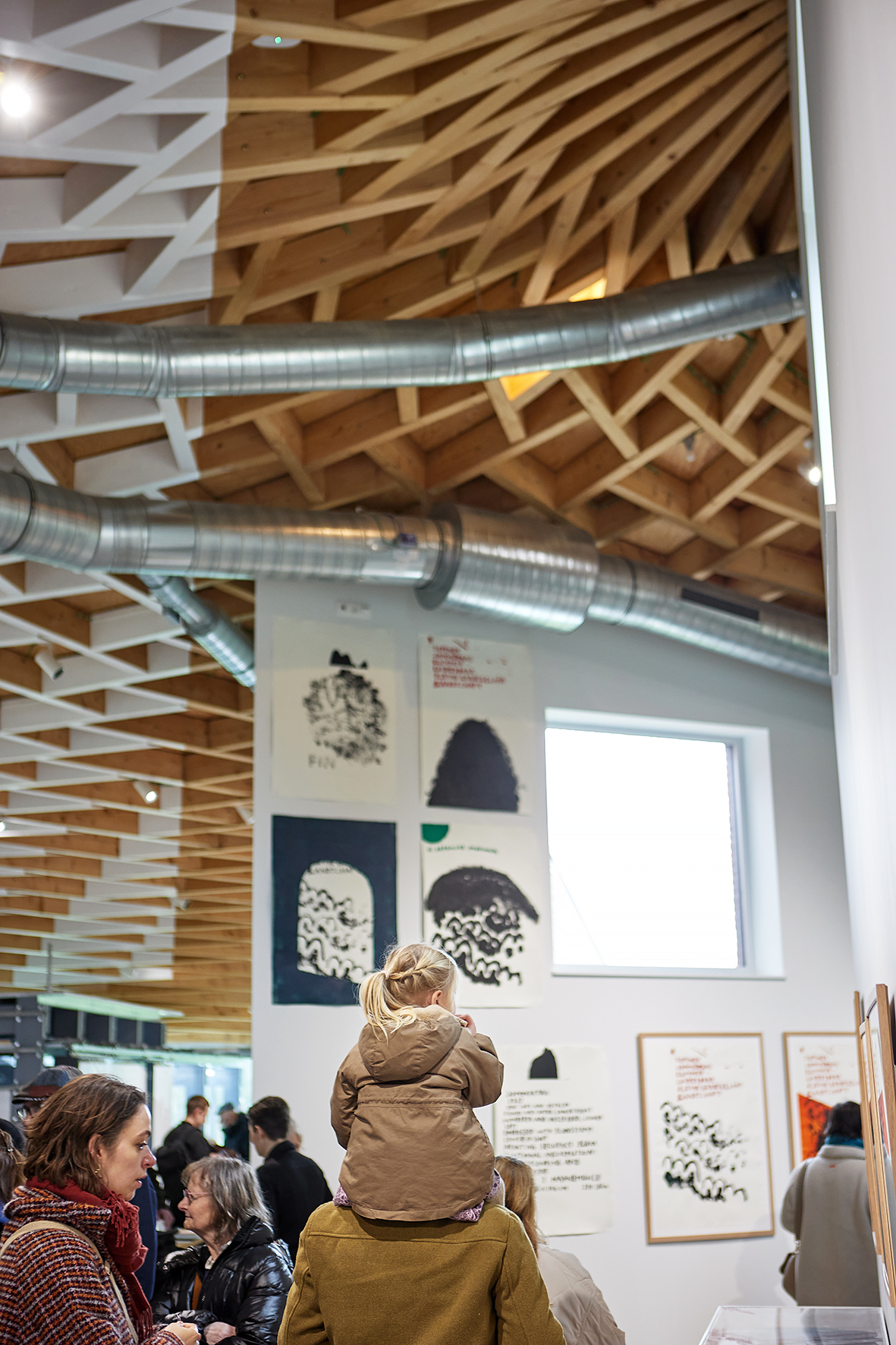
In the spring of 2019, MASEREEL opened a new star-shaped wing designed by Japanese architect Hideyuki Nakayama and Ido Avissar from the Paris-based Architecture, Urban Planning and Research Office LIST. This extension now houses the digital studio, the collection and the exhibition space. In this short video, Hideyuki Nakayama explains how the project came about.
The festive celebration of our 50th anniversary in 2022 coincided with the successful redesign of our outdoor space. A detailed retrospective of our proud legacy was presented in the form of a substantial academic publication: Diepdruk, Vlakdruk, Hoogdruk, Doordruk, compiled by the research unit KB45 at Ghent University.
While our original name remained Frans Masereel Centrum until early 2025, as of 10 March 2025 our new name is simply MASEREEL. With this change, we embrace our extensive heritage and the name by which we are widely known. At the same time, we want to make clear that we are neither a research centre specializing in the oeuvre of visual artist Frans Masereel, nor do we consider ourselves an institute. MASEREEL is an eternal start-up centred on the artist—both as a creator and as a person.
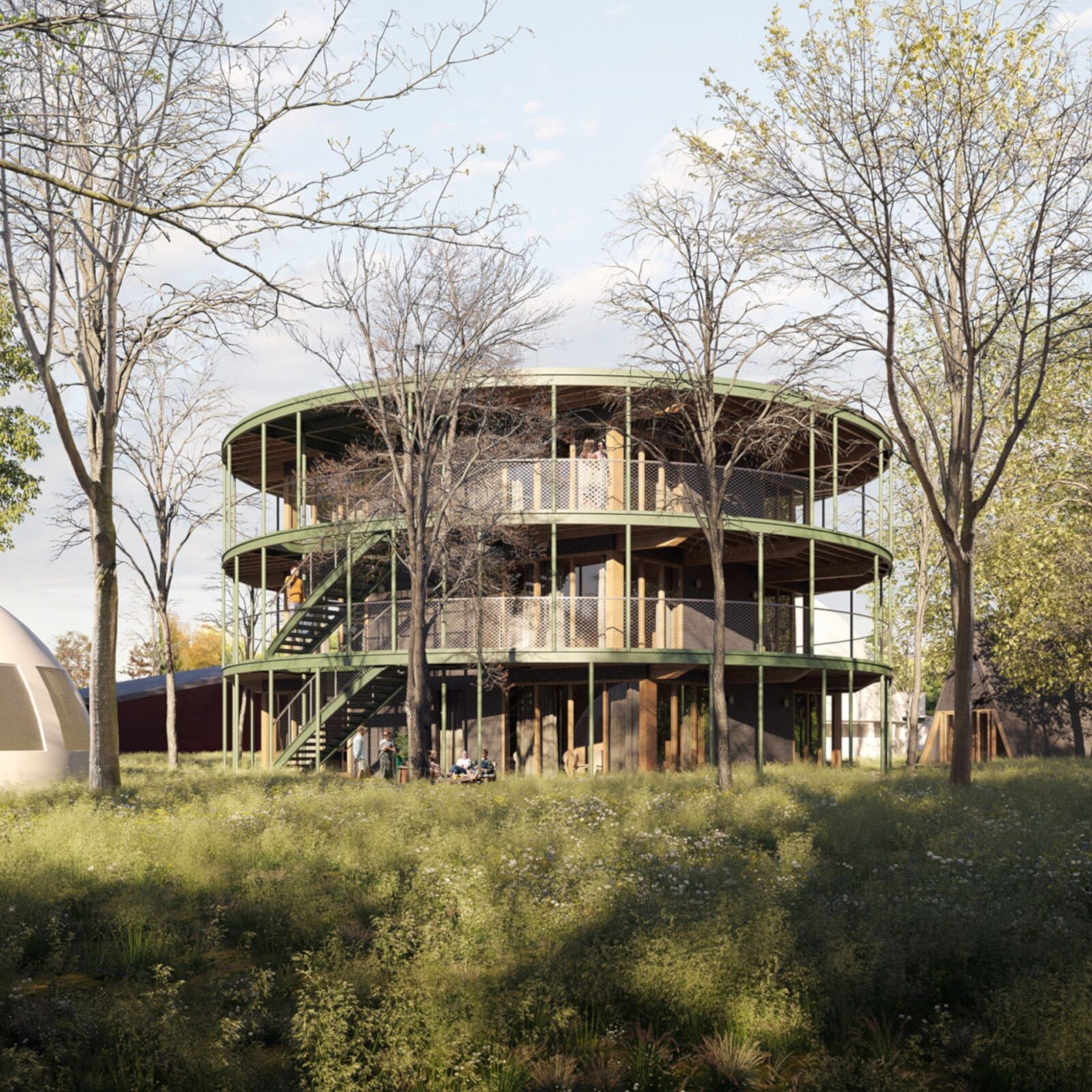
Choosing MASEREEL as our new name marks the culmination of our latest repositioning as an arts centre with a dual core mission (artistic and residential)—but it is certainly not an endpoint. In 2025, MASEREEL successfully launched the inaugural edition of the international biennial RHIZOMA on and around the MASEREEL site. Behind the scenes, we are currently working to make our extensive collection accessible to researchers, and from summer 2026 onwards residents will be able to stay in a brand-new artist pavilion.